April 15, 2026
The importance of a fully functioning water heater cannot be overstated. Not only does it supply hot water for comfortable showers, but it's also crucial for dishwashing, laundry, and various other household needs. Because so many daily tasks rely on hot water, homeowners often notice immediately when something begins to go wrong. Paying attention to the early warning signs of problems can help prevent sudden breakdowns and expensive emergencies. A well-maintained water heater also supports overall household efficiency by reducing energy waste and improving daily convenience. Understanding the signals your system sends when it begins to fail can make a significant difference in how quickly problems are resolved. Many homeowners ignore small changes in performance until the unit stops working entirely. Recognizing these issues early allows homeowners to schedule water heater repairs before minor problems escalate into costly replacements or major plumbing damage.
1. Inconsistent Water Temperature
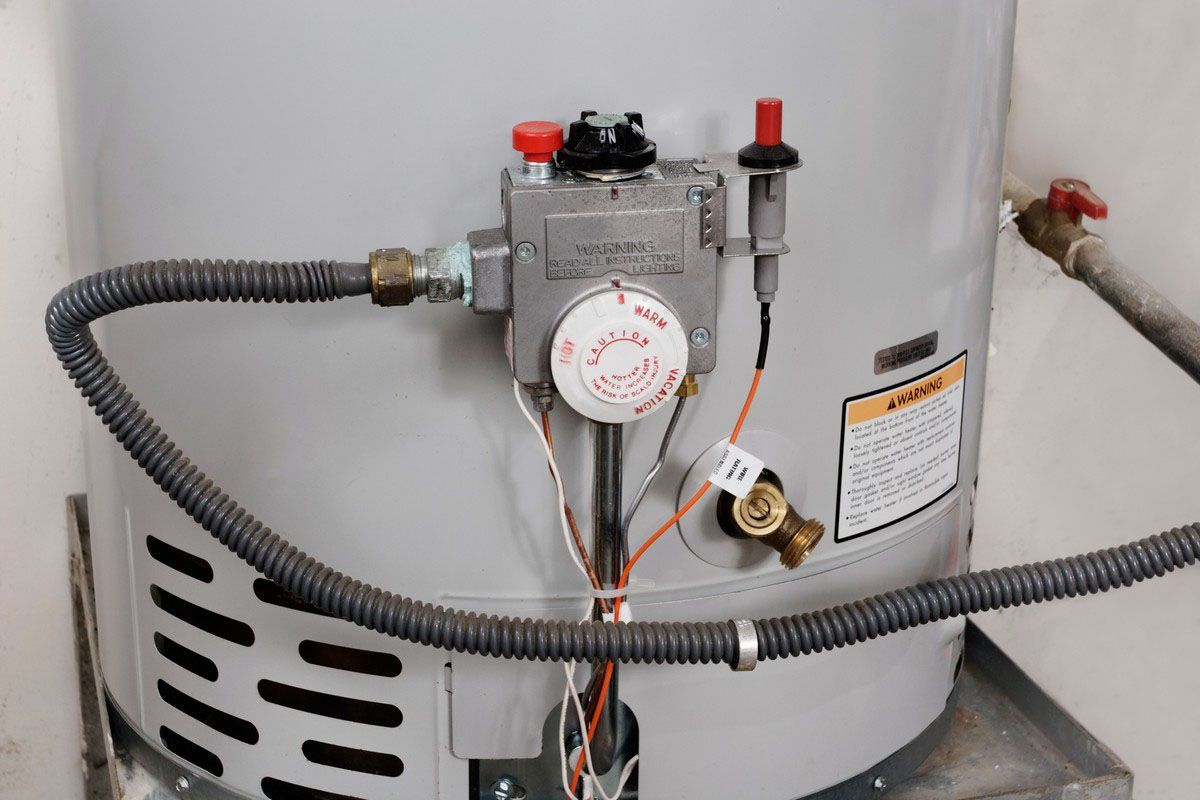
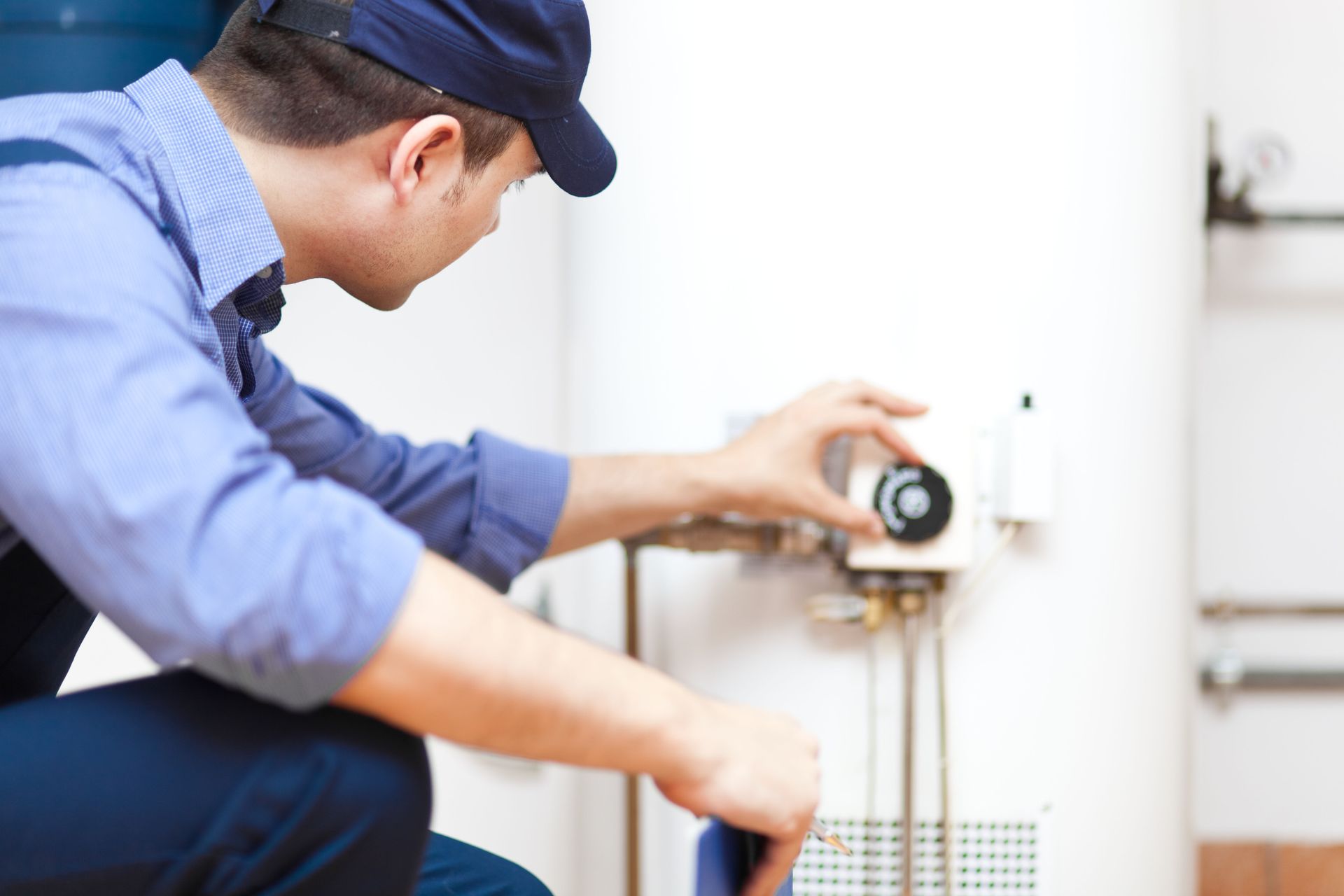
Experiencing inconsistent water temperatures is one of the most common signs that your water heater may need attention. When you notice fluctuations, it could signal a problematic thermostat. A malfunctioning thermostat sometimes fails to regulate the heat effectively, causing abrupt changes in temperature. It's essential to check if your thermostat settings have shifted or if the device is indeed malfunctioning.
Regularly replacing or servicing the thermostat can prevent these unexpected temperature shifts and ensure a steady flow of hot water. Homeowners often overlook this small component, yet it plays a major role in maintaining comfort and energy efficiency throughout the home. When the thermostat begins to fail, professional inspection and timely water heater repairs can restore reliable operation.
Another reason for inconsistent water temperature is sediment build-up within the tank. Over time, minerals in hard water settle at the bottom, acting as an insulating layer between the heat source and the water. This build-up can make it difficult for the heater to maintain a consistent temperature as it struggles to penetrate this layer of sediment. Regular flushing of the tank can mitigate this issue, helping to extend the life of your water heater.
Interestingly, according to This Old House, using a water heater insulation blanket can help reduce heat loss by 25% to 45%, ensuring more efficient heating. Improving insulation allows the heater to maintain stable water temperatures without overworking internal components. Small efficiency improvements like this can help homeowners avoid frequent water heater repairs over time.
In some cases, a broken dip tube might be the culprit behind fluctuating water temperatures. The dip tube directs incoming cold water to the bottom of the tank, allowing it to heat before rising to the top. If the tube breaks, it may improperly mix cold and hot water, leading to inconsistent temperatures at the tap. Regular inspection and timely replacement of the dip tube can prevent this from occurring.
2. Discolored or Rusty Water
Discolored or rusty water is a red flag that there might be corrosion inside your water heater. A corroded anode rod is often the leading cause of rust within the tank. This rod is designed to attract corrosive particles to prevent rust from forming on the tank's inner walls. However, once the rod is fully corroded, these particles can start affecting the water quality.
Regular inspection and replacement of the anode rod can help maintain clear, clean water. When rust begins to appear in hot water, it usually signals that internal components are deteriorating. Addressing this issue early with professional water heater repairs can prevent further corrosion and extend the system's lifespan.
Galvanic corrosion is another issue that can lead to rusty water, particularly when two different metals are in contact within your water piping system. This reaction can accelerate corrosion, allowing rust particles to mix with water as it flows through the pipe. Applying proper protective measures, like dielectric unions, can prevent this type of erosion and ensure the longevity of your pipes.
Aside from rusting, bacteria growth can also cause discoloration in your water. Some bacteria thrive in low-oxygen environments found in water heaters, producing colors or scents that can alert you to their presence. Adjusting the temperature setting and regular maintenance can help eliminate these bacteria, ensuring your water remains clear and odor-free.
3. Reduced Hot Water Supply
One sign that your water heater may require servicing is a noticeable reduction in the hot water supply. This change could be due to incorrect thermostat settings that prevent the heater from producing enough hot water. If the thermostat is set too low, the heater may not generate sufficient heat to meet your household's demands.
Keeping the thermostat at an optimal setting ensures efficient heating and a consistent supply of hot water. When the heater struggles to keep up with daily usage, it may indicate internal wear or sediment accumulation. In many cases, routine maintenance and timely water heater repairs can restore normal output and prevent further complications.
Another reason for a reduced hot water supply could be the water heater's size. If the tank is too small for your household's needs, it might not be able to keep up with the demand. Assessing your household's hot water usage and upgrading to a larger tank could be necessary if the current unit consistently runs out of hot water.
Leakage within the heater can also affect the volume of hot water available. Leaks can occur due to cracks in the tank or worn-out seals and connectors. These leaks not only reduce water volume but can also cause substantial damage over time if not addressed quickly.
4. Unusual Noises
If you begin to hear unusual noises emanating from your water heater, it may be a signal for immediate attention. The most common cause of these noises is accumulated sediment within the tank. When sediment hardens, it can create a knocking or rumbling sound as the water heater operates.
As sediment builds and hardens, it forces the heating elements to work harder, which can eventually damage internal components. Scheduling professional inspections and water heater repairs can resolve sediment buildup before it begins affecting performance or efficiency.
Banging noises can also stem from pipes that bang against walls or each other when water flow stops abruptly. Known as water hammer, this phenomenon occurs when the speed of water flow suddenly changes, causing the pipes to move and create sounds. Installing water hammer arrestors can help reduce this issue and protect your plumbing system from undue stress.
Loose elements within the heater can result in humming or vibrating noises. Over time, connections or heating elements can loosen, causing them to move or vibrate during operation. Regularly checking and tightening these components can prevent unusual sounds and enhance the heater's performance.
Being aware of the signs that indicate your water heater needs attention can help avoid inconveniences and potential damage throughout the home. Issues such as inconsistent temperatures, discolored water, unusual noises, and leaks often begin as small problems but can quickly worsen if ignored. By responding quickly to these warning signs and scheduling professional water heater repairs when necessary, homeowners can maintain consistent hot water while protecting their plumbing systems. Proactive maintenance not only improves efficiency but also helps extend the lifespan of the water heater and supports reliable performance for years to come. Contact our team at Rescue 1 Plumbing and learn more about our water heater repair services.