November 25, 2026
A leaking water heater can disrupt daily routines and cause property damage if left unaddressed. In Colorado, cold winter temperatures make a reliable hot water supply especially important. Leaks may result from corrosion, aging components, pressure changes, or damaged connections. Mineral buildup and regular use can also contribute to wear. Prompt professional water heater repairs can identify the underlying issue, prevent further damage, and help restore dependable hot water for everyday household needs.
Recognizing the Signs of a Water Heater Leak
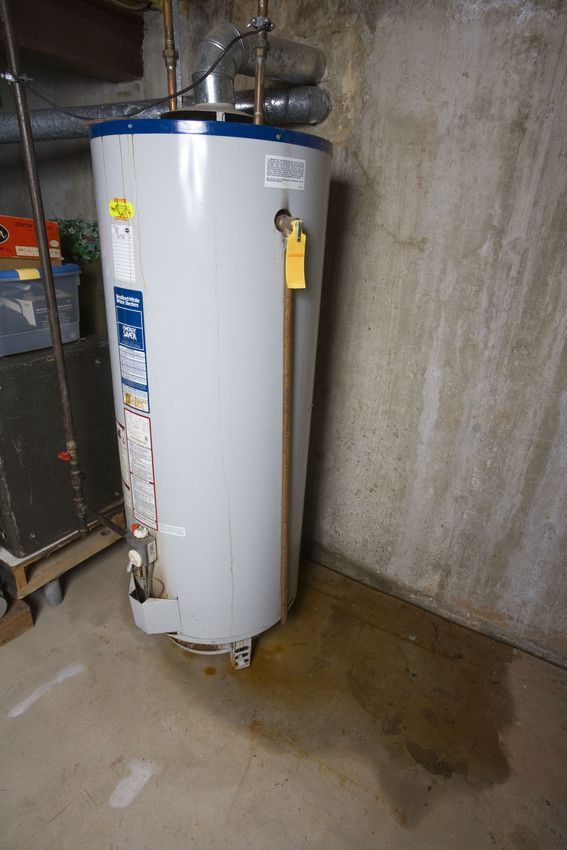
Water heater leaks don't always begin with a noticeable stream of water. In some cases, homeowners first spot a damp patch near the unit, a small puddle on the floor, or moisture around a pipe connection. Rust-colored water, visible corrosion, and unusual dripping sounds may also indicate a developing problem. These signs can appear gradually, making it easy to overlook an issue until the amount of leaking increases.
The location of the moisture can offer useful clues, but it doesn't always reveal the exact cause. Water may travel along pipes, fittings, or nearby surfaces before collecting on the floor. Condensation can also create moisture that resembles a leak, particularly when temperature and humidity conditions change. A licensed plumber can inspect the system, identify where the water is coming from, and determine whether the issue requires a component replacement, an adjustment, or more extensive service.
Prompt attention matters because water can damage flooring, drywall, stored belongings, and nearby building materials. A leak near electrical equipment can create additional safety concerns. If a water heater is actively leaking or showing signs of significant damage, homeowners should contact a qualified plumbing professional rather than attempting repairs themselves.
Understanding Tank Corrosion and Aging
Corrosion is one of the most common reasons a traditional tank-style water heater develops a leak. Water heaters hold water for extended periods, and the tank's interior is exposed to conditions that can gradually wear down protective materials. Many units include a sacrificial anode rod designed to attract corrosive elements and help protect the tank lining. As this component wears away, the tank can become more vulnerable to deterioration.
Over time, corrosion may weaken the tank walls and create small openings that allow water to escape. Rust around the exterior, recurring moisture near the bottom, or discolored water can indicate that the unit needs professional evaluation. If the tank itself has corroded through, replacing the water heater may be more practical than attempting to repair the damaged area. Professional water heater repairs can help address related component problems, but a compromised storage tank generally can't be restored to its original condition.
Age is another important consideration. According to Energy.gov, approximately 27 million U.S. households have a water heater that's more than 10 years old. Older equipment may be more likely to experience corrosion, worn connections, and declining performance. A plumber can assess the system's condition and help homeowners understand whether continued service or replacement is the more appropriate option.
Identifying Loose or Damaged Connections
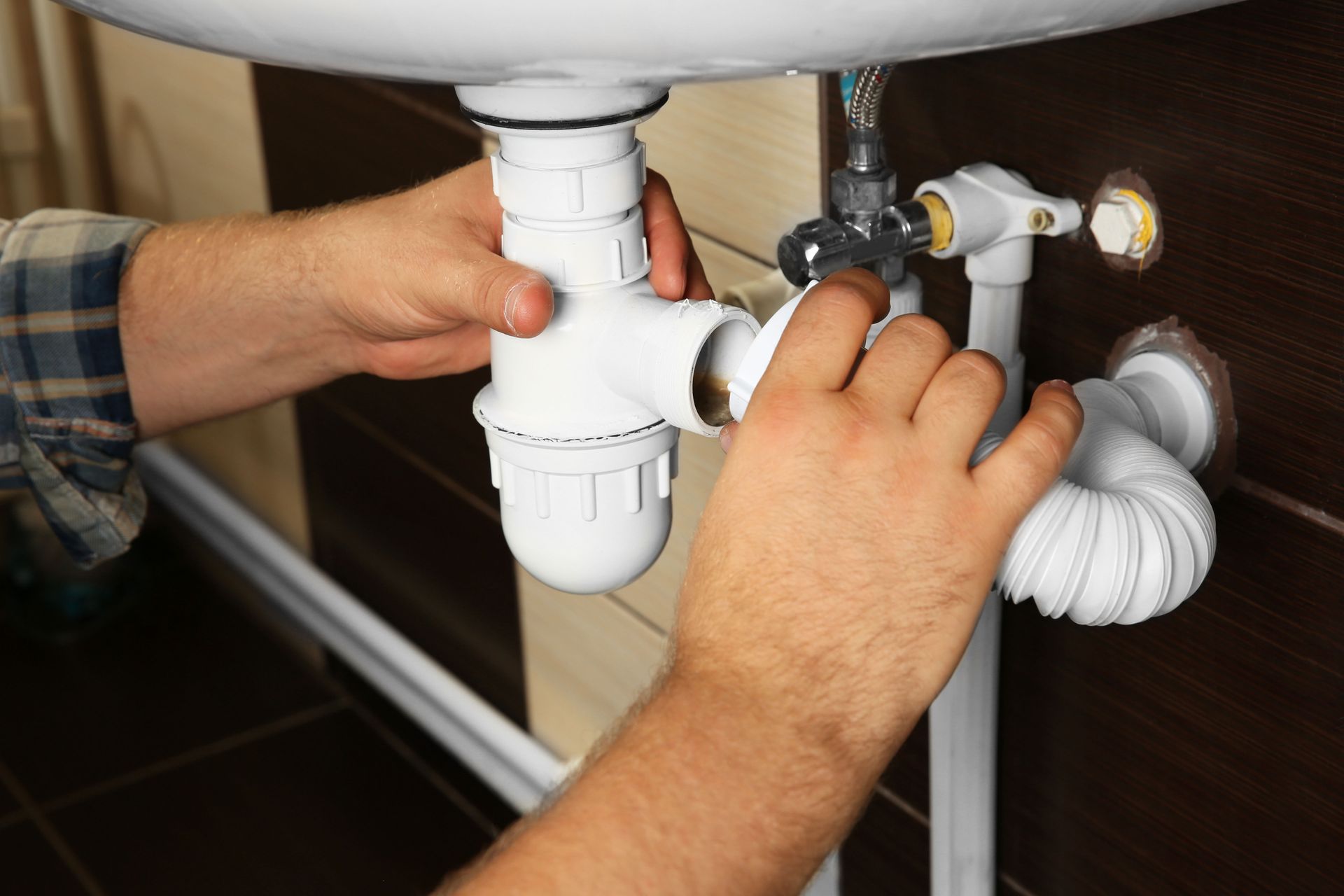
Water heaters connect to the home's plumbing system through inlet and outlet pipes. These connections carry cold water into the unit and deliver heated water throughout the property. Over time, fittings can loosen, seals can deteriorate, and pipe materials can become damaged. Even a small gap around a connection may allow water to drip onto the surrounding area.
Leaks near the top of a water heater may come from the cold-water inlet, hot-water outlet, or another nearby fitting. Connections at the bottom can also develop problems, particularly when components have experienced years of use or previous installation work. Because water can run down the exterior of the tank, the visible puddle may not be directly below the original source.
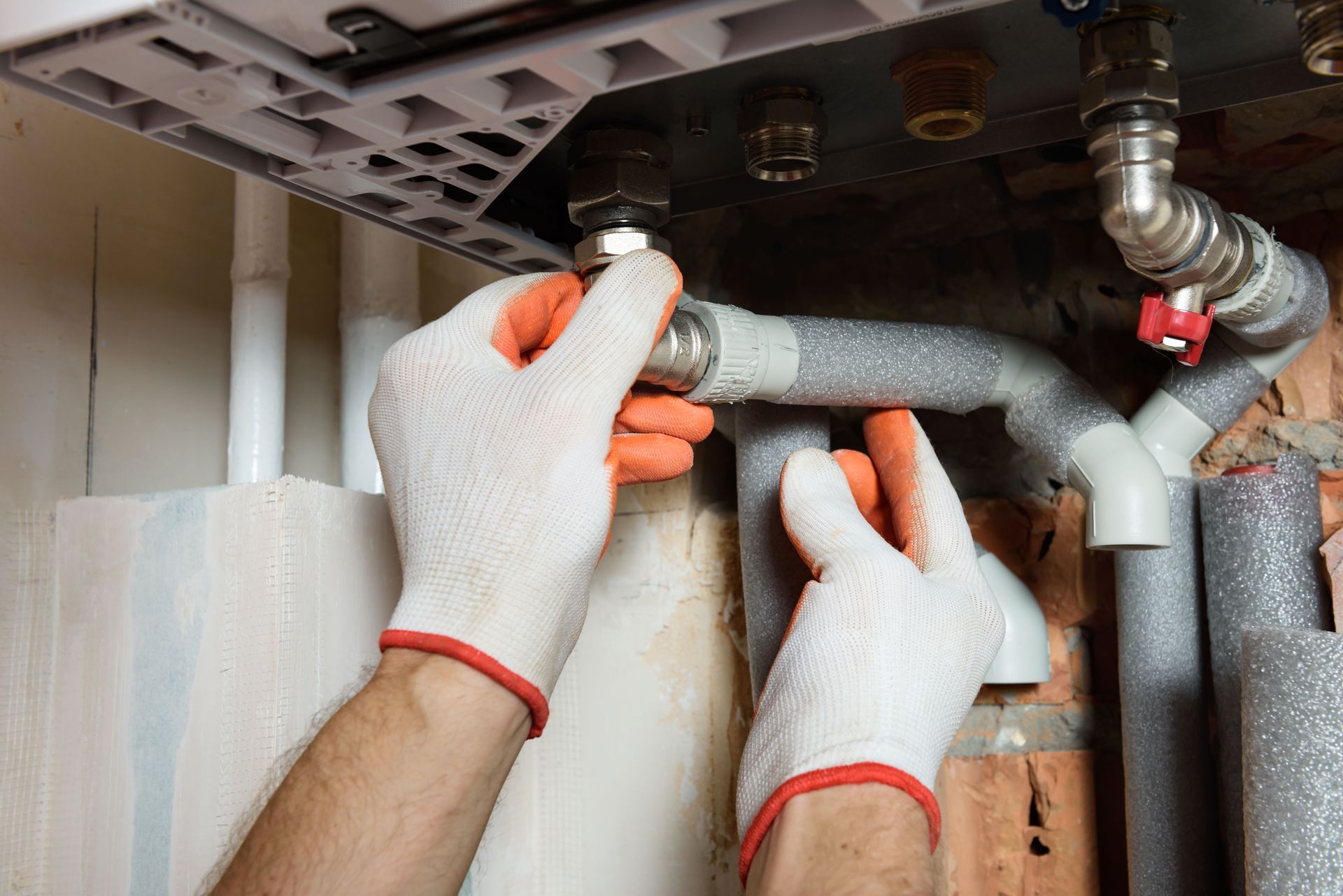
Professional inspection helps distinguish a connection issue from a tank failure. Depending on the condition of the components, a plumber may recommend tightening or replacing a fitting, renewing a seal, or addressing a damaged section of piping. Timely water heater repairs can restore reliable connections and help prevent recurring moisture from affecting the surrounding space.
Examining Pressure and Temperature Problems
Excessive pressure inside a water heater can place additional stress on the tank, fittings, and plumbing connections. Water expands as it heats, and the system relies on properly functioning components to manage pressure changes. If pressure becomes too high, leaks may develop around vulnerable connections or through other weakened areas.
The temperature and pressure relief valve is an important safety component. It's designed to release water when temperature or pressure exceeds safe operating limits. If water continually drains from the valve's discharge pipe, the valve may be faulty, or another issue may be causing excessive pressure or temperature. A professional should investigate the reason rather than simply treating the dripping as an isolated nuisance.
A malfunctioning thermostat, heating element, or other control component can also contribute to operating problems. These issues may cause inconsistent water temperatures or affect how the system cycles. A plumber can evaluate the equipment and determine whether a component needs service. Addressing the underlying cause is essential because repeated leaks may indicate that the system is experiencing more than ordinary wear.
Investigating Drain Valve and Internal Component Failures
The drain valve is typically located near the bottom of a tank-style water heater. It allows water to be removed from the tank during maintenance or service. Because it's used periodically and remains exposed to water, the valve can wear out, develop a faulty seal, or become damaged. When that happens, water may escape from the valve opening or its connection to the tank.
Other internal components can also contribute to leaks. Seals, gaskets, and fittings may deteriorate with age and repeated temperature changes. In some cases, water collecting near the bottom of the unit may come from a component higher up rather than from the tank itself. This is why identifying the source is more important than assuming the lowest wet area is responsible.
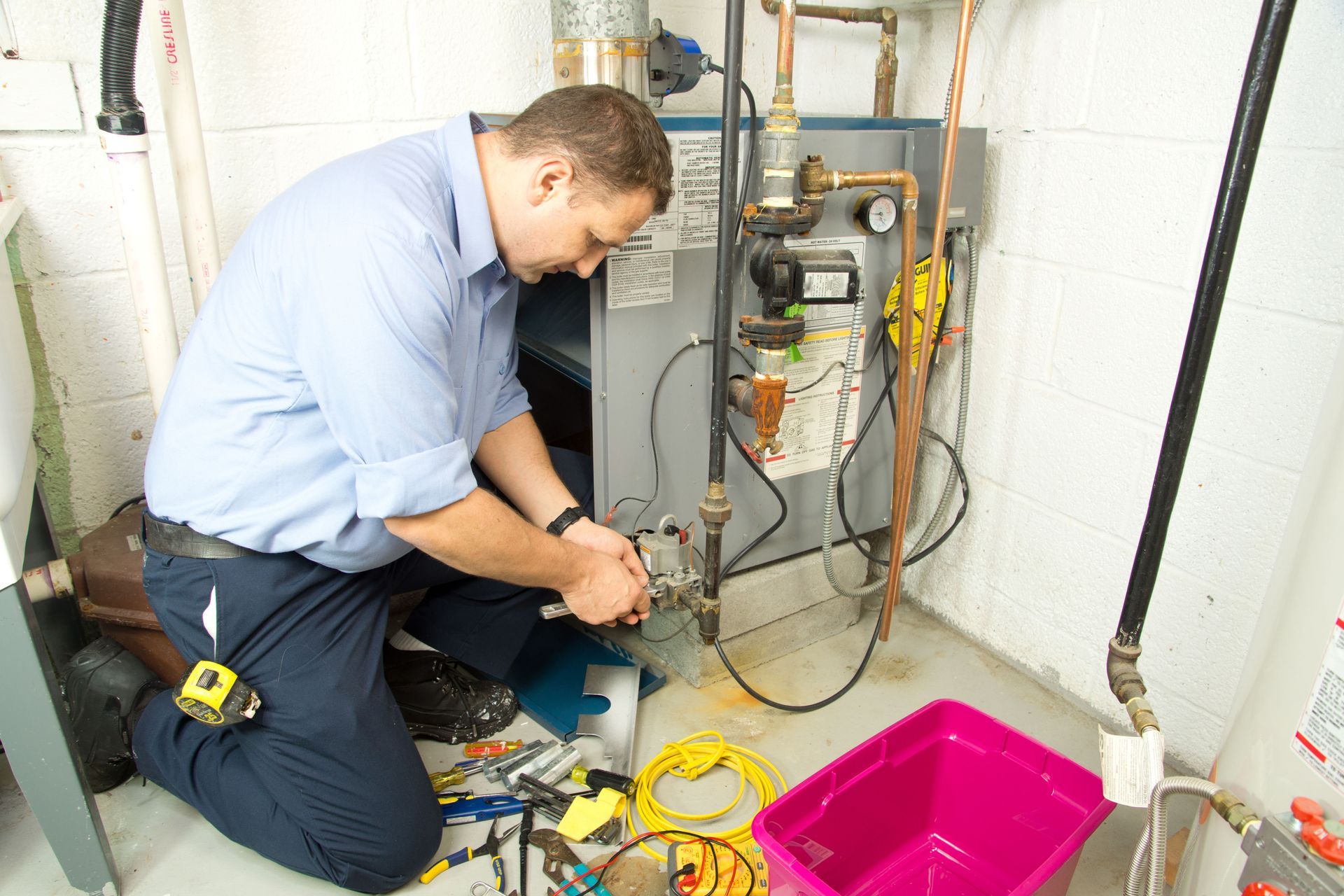
A qualified plumber can inspect these parts and recommend an appropriate solution. Depending on the equipment's age and overall condition, replacing an individual component may restore proper operation. However, if several parts are failing or the tank has deteriorated, replacement may offer a more dependable long-term option. Professional water heater repairs should address the actual cause of the leak instead of relying on temporary fixes.
Considering Mineral Buildup and Sediment
Colorado homeowners may encounter mineral-rich water, depending on their local water supply. Minerals can settle inside a tank-style water heater and accumulate as sediment over time. This buildup can affect heating efficiency, contribute to unusual operating noises, and place additional strain on the equipment. Although sediment doesn't automatically cause a leak, it can contribute to conditions that accelerate wear.
As sediment collects near the bottom of the tank, it may interfere with heat transfer and cause the unit to work harder. Repeated heating cycles can increase stress on areas of the tank that are already aging. If corrosion or weakened materials are also present, the risk of a leak may become more significant.
Routine maintenance can identify sediment buildup and early signs of wear. When leaks develop, professional plumbers can inspect the tank, valves, and connections to determine the cause. Depending on the damage, water heater repairs may restore reliable operation or help homeowners decide when replacement is necessary.
For Colorado households, reliable hot water is important during every season. Scheduling professional service when warning signs first appear can help limit water damage, reduce interruptions, and support the long-term performance of the plumbing system. If your water heater is leaking,
contact Rescue 1 Plumbing to schedule an inspection and discuss the professional service options available for your home.