January 14, 2026
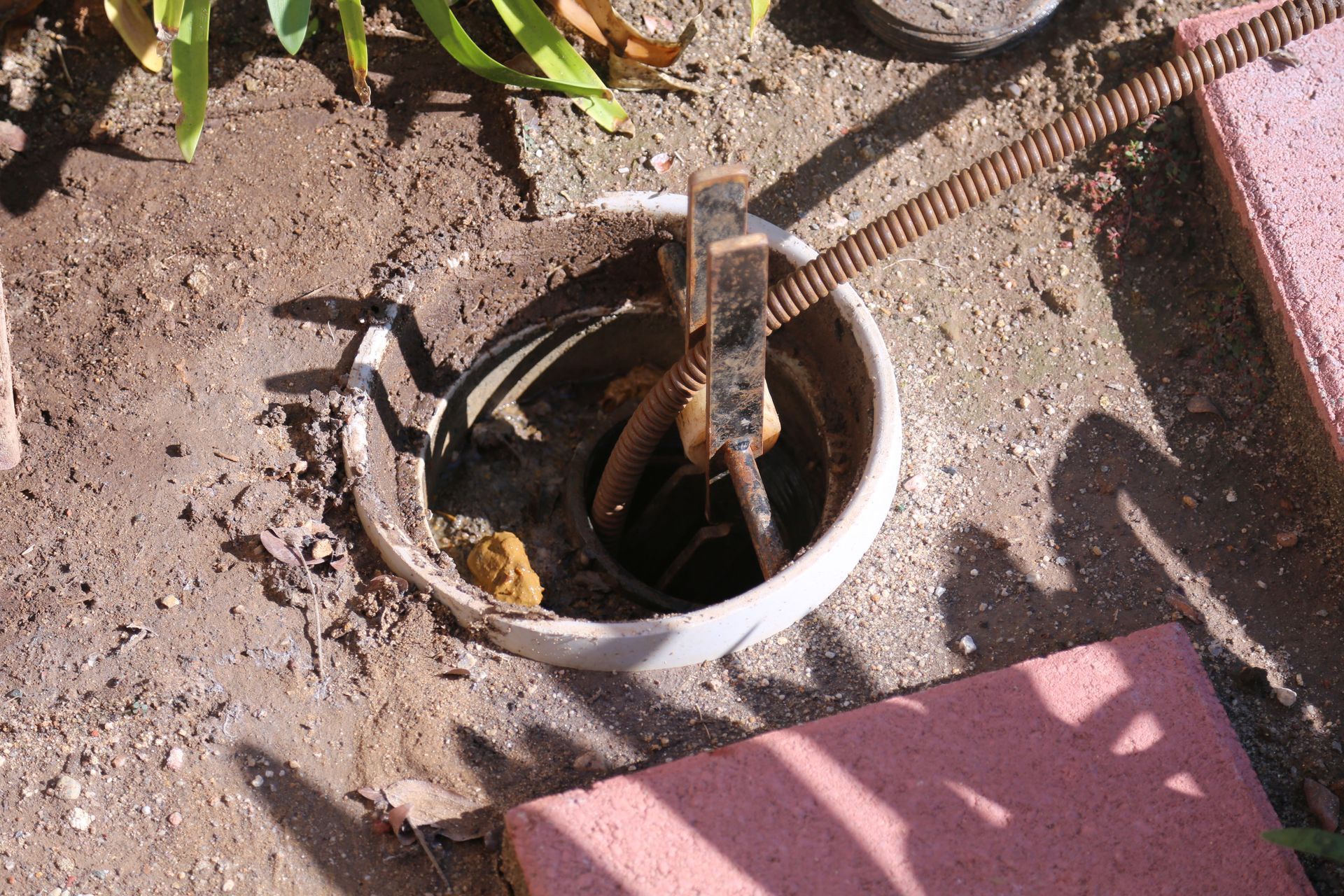
Sewer line repair is a critical aspect of home maintenance, often overlooked by homeowners until issues arise. According to This Old House, a sewer line’s lifespan varies by material: cast iron typically lasts 70–100 years, clay and cement up to 100 years, Orangeburg around 50 years, and PVC can exceed 100 years. Knowing the type of pipe in your home can help you anticipate maintenance needs and plan for timely repairs. Recognizing the preliminary signs of sewer line damage can save you from costly repairs and significant disruptions later.
Choosing the Right Method
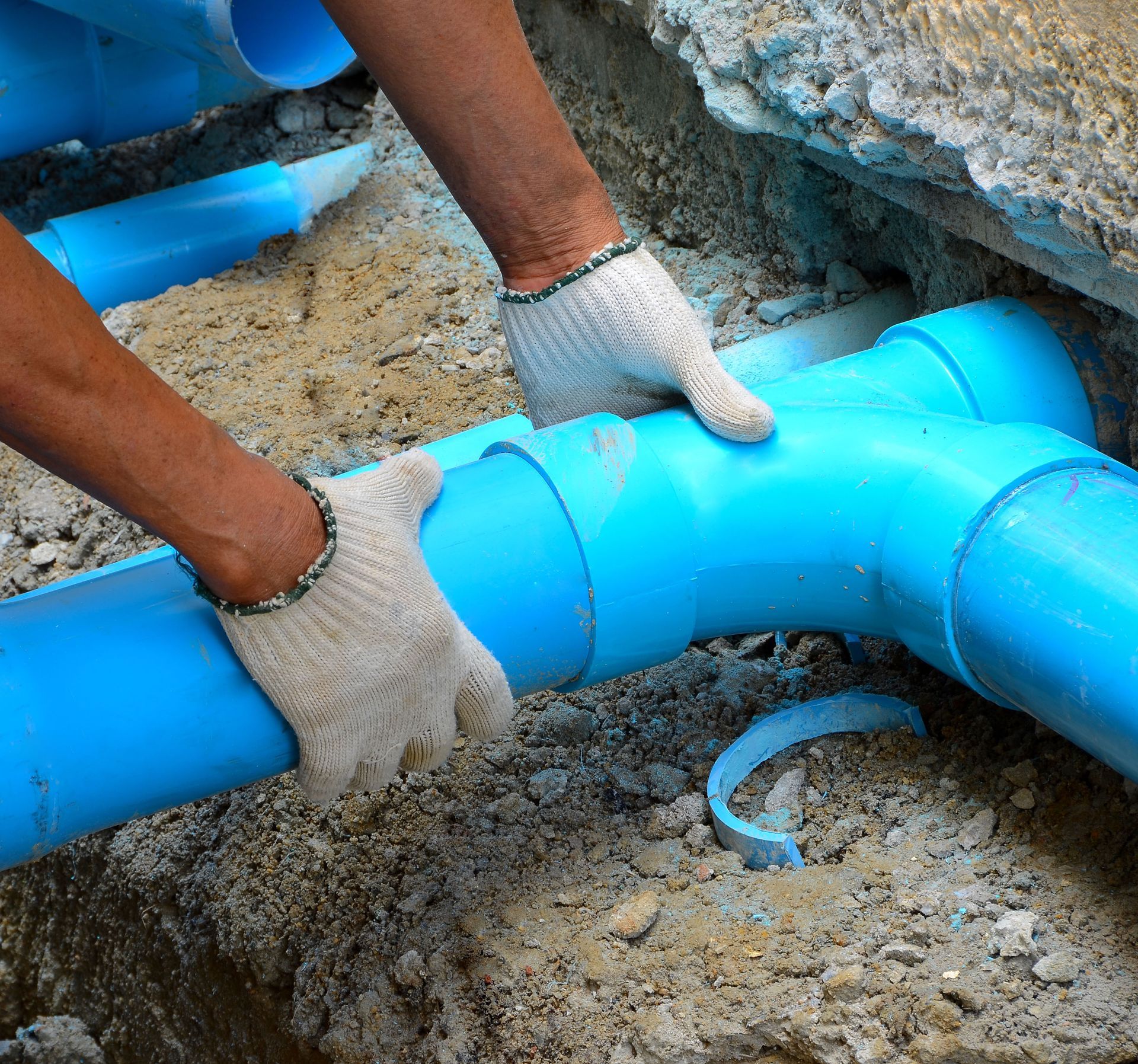
Sewer line repair can be approached through traditional methods or more modern trenchless techniques. Traditional repair often involves excavating large sections of a property to access and replace damaged portions of pipe. Trenchless methods, such as pipe bursting and lining, allow for repairs with minimal disruption by using existing pipe pathways. While traditional methods may be necessary for certain situations, trenchless options provide an attractive alternative due to their minimally invasive nature.
The selection of a sewer line repair method comes with its benefits and drawbacks that should be considered. Traditional repairs are thorough and can last for a long time, but they're also disruptive and more costly due to excavation needs. Trenchless methods are quicker and cause less property disturbance, but may not be applicable for severely damaged lines or those with numerous angles. Each method varies in cost, environmental impact, and suitability, requiring careful consideration based on the specific circumstances of the repair. Evaluating these factors helps in making an informed decision.
The cost of sewer line repair is influenced by several factors, including the method selected, the extent of damage, and property characteristics. Traditional methods tend to be more expensive due to labor-intensive excavation processes, whereas trenchless techniques can offer cost-effective alternatives for suitable applications. Additional costs may arise from necessary property restoration, equipment usage, and labor charges. Homeowners should acquire detailed estimates and compare different repair options in terms of cost-effectiveness.
The repair process duration varies based on the method chosen and the complexity of the issue. Traditional repairs may take several days or weeks to complete, especially when excavation is required. Trenchless techniques usually take less time, often completed within a day or two, provided there are no unforeseen complications. Factors such as weather, property accessibility, and the extent of pipe damage can also influence repair timelines.
Environmental considerations are increasingly important in choosing sewer line repair methods. Traditional repairs disrupt large areas, causing longer-term ecological disturbances to landscaping and soil stability. Trenchless options have less environmental impact, reducing the need for excavation and consequently minimizing land and vegetation disturbances. Utilizing eco-friendly materials and methods can mitigate the negative impacts associated with sewer line repairs.
Getting Ready for Repairs
The initial consultation sets the foundation for a successful sewer line repair. During this phase, experts evaluate the symptoms, inspect the situation, and discuss potential solutions. Homeowners should prepare relevant information about symptoms, previous repairs, and property layout to assist the professionals. Clear communication is essential to ensure all parties understand the scope of the problem and proposed solutions. This preliminary assessment is crucial for determining the appropriate repair strategy and its implications.
A thorough property assessment is necessary to devise an effective repair plan. Professionals assess access points, property layout, and potential obstructions influencing repair work. Understanding the position of utilities like water and gas lines is crucial to prevent damage during repairs. This assessment phase identifies any unique challenges posed by the property, such as landscaping features or nearby structures. Incorporating these factors into the repair plan helps in executing a smooth and efficient process.
Cost and contract discussions provide clarity and agreement before the commencement of repair work. Homeowners should request detailed estimates outlining material, labor, and additional charges expected. An understanding of pricing structures helps in comparing different service providers and repair methods. Once satisfied with the proposal, drafting a comprehensive contract ensures both parties agree on responsibilities and timelines. This phase ensures assurance and transparency in financial arrangements, nurturing trust throughout the repair process.
Coordinating with professionals for repair scheduling ensures minimal disruption to household routines and neighboring areas. Consideration of weather conditions and family commitments helps in selecting optimal timing for the work. Communication with service providers about timelines and progress allows for appropriate adjustments if necessary. Setting clear expectations regarding work hours and access requirements can prevent misunderstandings. This scheduling stage ensures that the repair process aligns with the homeowner's needs and lifestyle.
Preparing your home for the repair work ensures a smooth, efficient process. Clearing access areas, marking utilities, and removing obstructions support easier and safer work conditions. Implementing protective measures, such as covering floors and furniture, can prevent incidental damage. Informing neighbors about the work can foster goodwill and cooperation, especially if shared access is affected. This preparatory work forms a crucial aspect of facilitating seamless repair operations on the property.
Completing the Repair Process
Site preparation sets the groundwork for an organized and effective repair process. Professionals establish equipment, secure work areas, and prepare access paths during this phase. Necessary precautions are put in place to ensure safety and minimize risks to workers and residents. Geographic factors like topography and soil conditions are considered to facilitate a smooth repair process. Comprehensive site preparation promotes efficiency, engendering a seamless and streamlined repair operation.
Once the site is ready, the repair process can commence, involving meticulous execution of the chosen technique. In traditional repairs, excavation proceeds as planned, while trenchless methods use modern tools for minimal digging. Skilled workers methodically implement the repair plan, addressing any challenges that arise during this phase. Depending on the method, materials like pipes or liners are installed or repaired efficiently to meet satisfactory standards. Regular updates during this process keep homeowners informed and address concerns promptly.
Challenges may arise during the repair process, influencing timelines and outcomes. Weather conditions, unexpected underground obstacles, and equipment failures can delay proceedings. Unforeseen complications, such as deeper-rooted issues discovered mid-repair, demand adjustments to the original plan. Communication with service providers is essential for mitigating and resolving these challenges. Understanding the potential for interruptions prepares homeowners to manage and adapt to unforeseen circumstances.
After completing the repair, a thorough inspection ensures adherence to quality standards and assesses the repair's success. Professionals conduct checks using technology, pressure tests, and visual evaluations to verify the work. Any discrepancies or defects identified are promptly addressed to ensure lasting repair integrity. This quality assurance phase confirms the effectiveness and durability of the repair work, giving homeowners confidence in its longevity. Final inspection results in approval, transitioning to the cleanup stage.
The repair process concludes with a comprehensive cleanup and site restoration. Surfaces, landscaping, and pathways are restored to their original state or improved upon. Any displaced soil, debris, or materials are responsibly disposed of, ensuring a clean and tidy environment. Thorough restoration minimizes the visible impact of repairs and reinforces the satisfaction of homeowners. This completion phase reflects professionalism, leaving properties rejuvenated and fully functional post-repair.
Understanding the types of repairs, methods, and preparations involved guides homeowners towards effective management of their plumbing needs. Engaging proactively with a
sewer line repair, guided by this comprehensive article, equips homeowners to navigate challenges confidently. Maintenance and awareness ensure long-term benefits and reduced risk, ultimately achieving a safe, functional, and valuable home. Don’t wait for a small sewer issue to turn into a costly disaster. Contact Rescue 1 Plumbing today to schedule expert inspection and repair services for your home.